Privacy Policy Terms of Service

Right Nutrition. Right Stage. Right Results.

A dairy cow's needs change dramatically across her lifecycle. Feeding the same ration year-round is the #1 mistake costing Pakistani farmers milk yield, reproduction performance, and money. Explore our full product range for every stage.

1

Dry Period (45–60 days before calving)

What you feed in the dry period determines milk yield in the NEXT lactation.

Far-off: Day 1–21 Close-up: Day 22–Calving Target BCS: 3.25–3.5
  • Far-off dry: energy restriction and rumen preparation for the upcoming lactation diet
  • Close-up dry: negative DCAD ration with aggressive calcium management
  • Immune priming: Vitamin E, Selenium, Beta-carotene to support colostrum quality
  • Disorders prevented: milk fever, retained placenta, displaced abomasum, ketosis
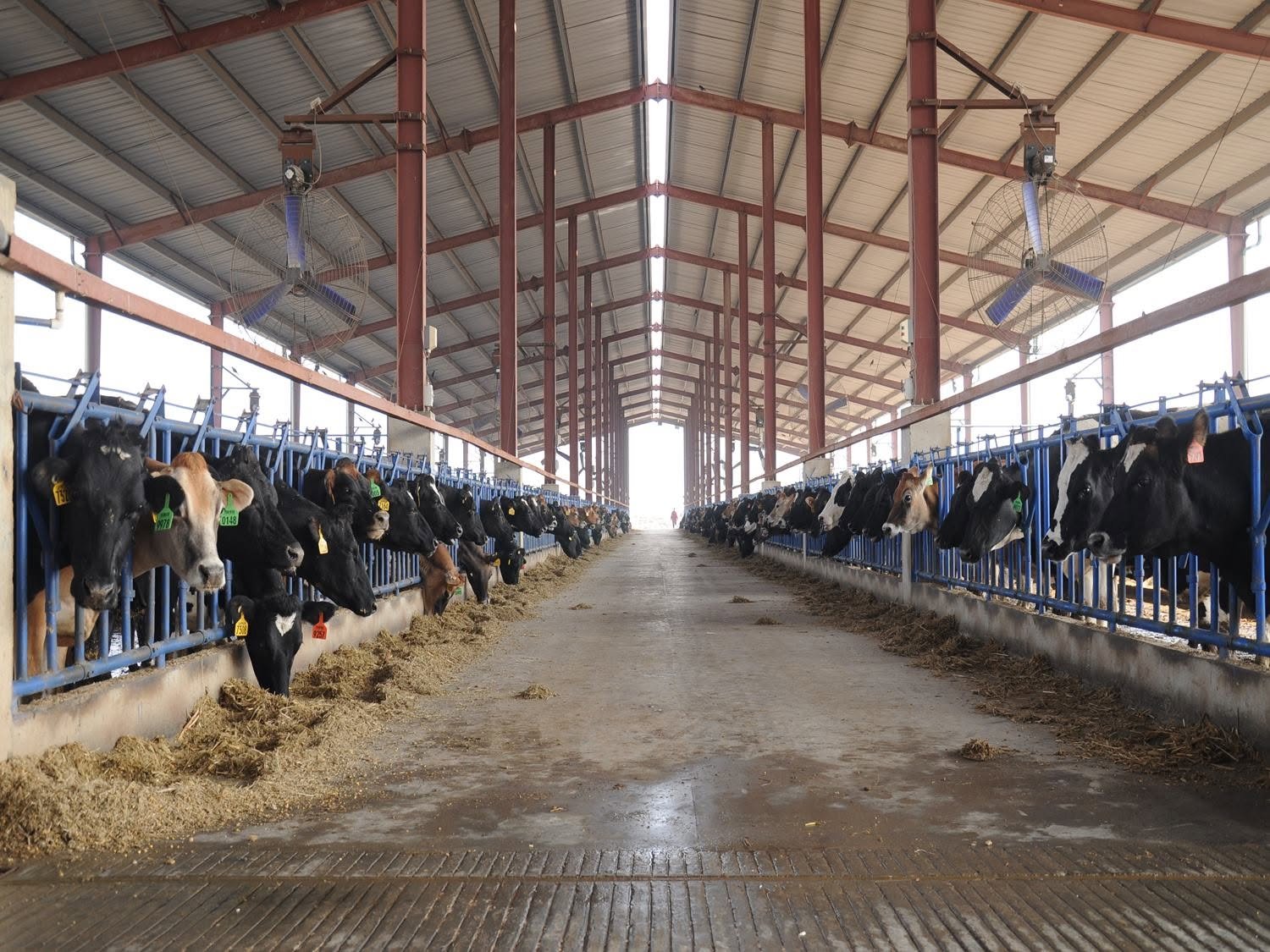
Dry period dairy cows resting in a well-bedded, well-ventilated barn before calving
Dry cows prepared for a smooth, low-risk calving
Close monitoring of a fresh dairy cow in the first days after calving
Fresh cow monitoring in the critical 42-day window
2

Transition Period (3 weeks before + 3 weeks after calving)

80% of all dairy cow health problems occur in this 42-day window.

42-Day Window 80% of Disorders Start Here Target: <5% Subclinical Ketosis Target: Zero Milk Fever
  • Metabolic disorder screening: ketosis, milk fever, hypocalcemia, fatty liver
  • Ketosis prevention protocol: propylene glycol, niacin, rumen buffer
  • Fresh cow monitoring checklist: temperature, appetite, manure score, milk production
  • Goal: cows back on ration within 24 hours of calving
3

Early Lactation (Week 1–16)

A small increase in peak milk output early on compounds into a much larger gain across the whole lactation — every extra kilogram at peak can mean 200+ extra litres by the end.

Peak Milk: Weeks 6–8 Target BCS Loss: <0.5 Units First Service Conception: >50%
  • High energy density TMR formulation to close the energy gap
  • Rumen-protected fat supplementation
  • Bypass protein (RUP) balancing with Methionine and Lysine
  • Weekly body condition scoring to track the trend against target
  • Reproduction nutrition support to protect first-service conception rates
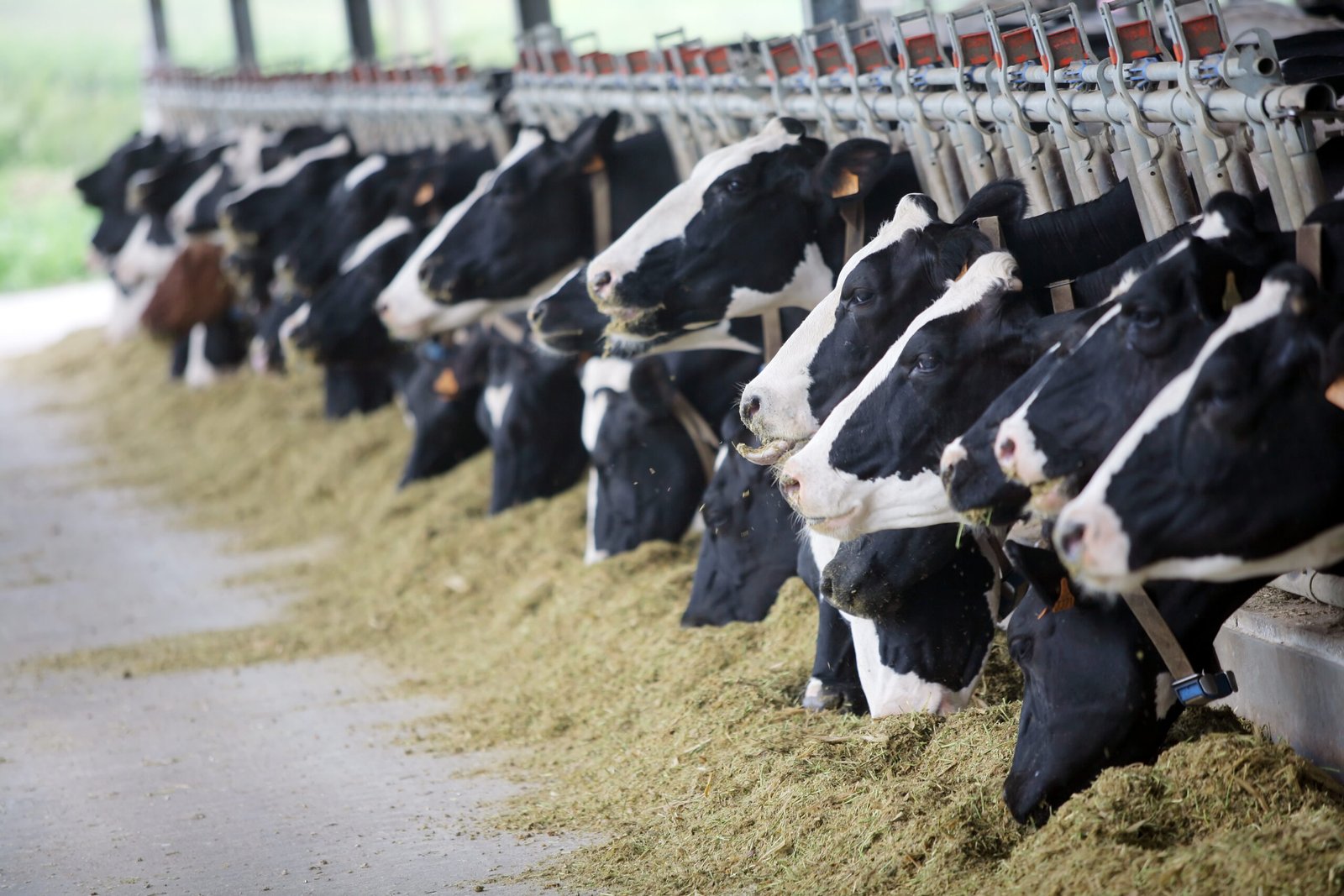
High-producing dairy cows feeding on a high-energy TMR ration during early lactation
High-energy TMR fuels peak milk production
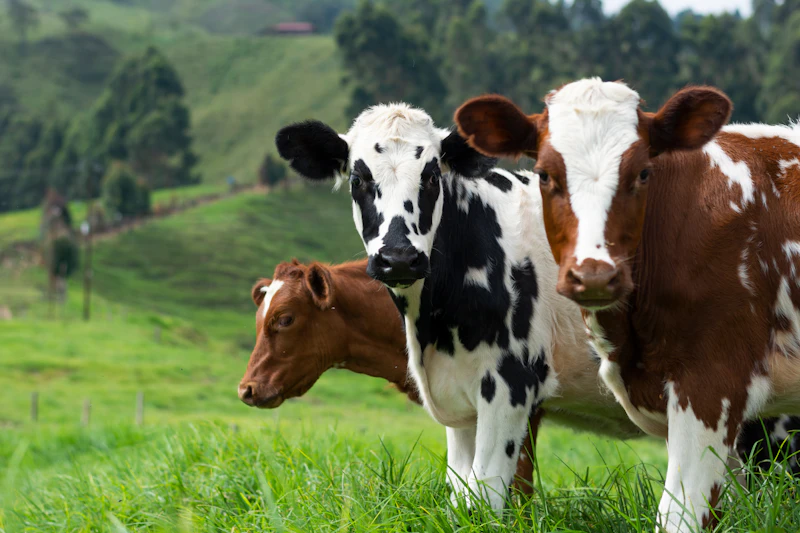
Dairy herd grazing steadily during mid and late lactation
Sustaining production through mid and late lactation
4

Mid & Late Lactation (Week 17–40)

The goal shifts from peak output to sustained, efficient production.

Week 17–40 Target BCS Before Dry-Off: >3.0 Monthly Cost Review
  • Gradual energy reduction as milk yield naturally declines
  • Targeted nutrition to support healthy fetal growth as the cow re-enters pregnancy, without excess body condition gain
  • Body condition recovery program building toward dry-off
  • Ration and management prepared ahead of the next dry period
  • Monthly production monitoring and feed cost optimization
5

Heifer Development (Birth to 24 months)

A poorly grown heifer never reaches her genetic milk potential.

ADG Target: 800g/Day Pre-Breeding: 55–60% Mature BW First Calving: 85% Mature BW
  • Calf starter and grower feed guidance from birth to support healthy rumen development
  • Structured weaning transition protocol to minimize growth check
  • Monthly weigh-tape monitoring against the growth curve
  • Structural growth prioritized over fat deposition at every stage
Young dairy cattle developing well in a well-managed heifer programme
Building tomorrow's herd from calf to first calving
Common Questions

Frequently Asked Questions

Why can't I feed the same ration year-round?

A dairy cow's nutritional needs shift dramatically across her lifecycle, from energy restriction in the dry period to high energy density during early lactation. Feeding a single ration year-round is the #1 mistake costing Pakistani farmers milk yield, reproduction performance, and money.

What's the most critical window for a dairy cow's health?

The transition period, 3 weeks before to 3 weeks after calving (a 42-day window), is the most critical stage. 80% of all dairy cow health problems, including milk fever, ketosis, and displaced abomasum, occur during this window.

How do I know if my dry cow ration is working?

Target body condition score (BCS) at calving of 3.25-3.5 is the key indicator. A properly managed dry period, with far-off energy restriction and close-up negative DCAD ration and calcium management, should also result in minimal milk fever, retained placenta, or displaced abomasum cases. Our farm visit assessment can confirm your ration is on target.

What should peak milk timing look like in early lactation?

Peak milk should occur around weeks 6-8 of lactation. A small increase in peak milk output early on compounds into a much larger gain across the whole lactation, which is why high energy density TMR and rumen-protected fat and protein balancing matter most in this stage.

What growth targets should I track for heifer development?

Track an average daily gain (ADG) target of 800 grams per day, a pre-breeding body weight of 55-60% of mature body weight at 13-15 months, and a first-calving target weight of 85% of mature body weight. A poorly grown heifer never reaches her genetic milk potential. See our performance minerals and vitamins for heifer programs.

Not Sure Which Stage Needs Attention First?

Our dairy experts will assess your herd and build a stage-by-stage feeding plan

Get Free Consultation
Chat with Our Nutritionist